

Georgetown Seller Prep: A Room-by-Room Checklist That Pays Off at Closing
Getting a home ready to sell in Georgetown isn't about chasing perfection—it's about making smart, buyer-friendly choices that translate into stronger offers and fewer headaches once you're under contract. The best prep feels almost invisible: the house simply shows better, smells fresher, photographs brighter, and signals "well cared for" from the first step inside. That impression matters in a market where buyers compare multiple homes in a single afternoon and tend to remember how a place made them feel. Use this room-by-room checklist to focus your time and budget where it actually pays off at closing.

Start outside: curb appeal and first impressions. Before buyers notice your new light fixtures or paint color, they're judging the roofline, the lawn, and the front entry. Walk the property like a first-time visitor: remove clutter (bins, extra planters, kid toys), sweep the porch, and power-wash concrete if it looks dingy. Fresh mulch and edged beds are inexpensive and photograph well. Check house numbers, exterior lighting, the doorbell, and the mailbox—small details that quietly communicate upkeep. If you have fencing or a deck, tighten loose boards and replace missing pickets; buyers read deferred maintenance as future cost.
Entryway and living areas: create space and light. In the foyer and main living room, aim for an open, easy flow that lets buyers picture their own routines. Clear off surfaces (consoles, coffee tables, mantels) and store oversized furniture if it crowds walkways. Replace burned-out bulbs with consistent color temperature and brighter wattage where appropriate. Patch nail holes, touch up baseboards, and consider a neutral repaint if walls are heavily marked. The goal isn't to strip away personality; it's to reduce visual "noise" so the room feels larger, calmer, and more inviting.
For Georgetown homes—whether you're near local parks, commuter routes, or neighborhoods that attract growing households—buyers often want flexible living spaces. If you have a bonus room, formal dining area, or front flex space, stage it with a clear purpose: a sitting area, a home office, or a play zone that still looks tidy. Ambiguity can make square footage feel wasted; definition helps buyers justify the price.
Kitchen: the highest-leverage room for prep
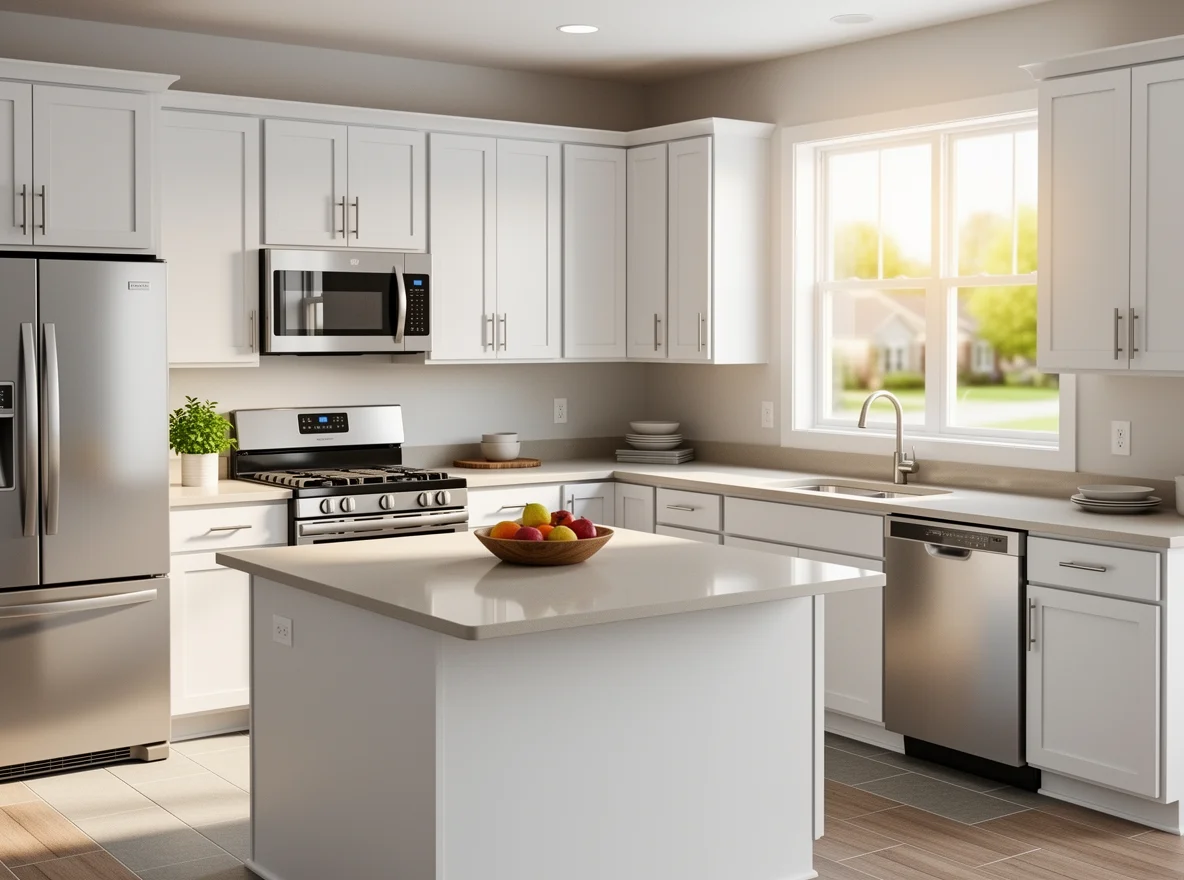
Think clean, functional, and lightly styled. Buyers open cabinet doors, test faucets, and notice odors. Deep-clean the range hood, backsplash, and the area behind small appliances. Clear countertops until you have only a few purposeful items (a bowl of fruit, a cutting board, a soap dispenser). Fix slow drains, loose handles, and leaky sprayers—those tiny repairs prevent buyers from mentally adding up a weekend "to-do list." If your cabinet faces are dated but solid, new hardware can modernize the look quickly and inexpensively.
Don't overlook the pantry and the refrigerator. A tidy pantry suggests abundant storage. Group like items, remove anything expired, and avoid cramming shelves. Clean the fridge and freezer and reduce magnets or papers on the exterior. If you're still living in the home, consider packing away half of your kitchen gadgets now; it's a head start on moving and makes storage look generous.
Dining and gathering spaces: highlight how the home lives. Whether it's an eat-in kitchen nook or a dedicated dining room, set the space to feel welcoming—chairs aligned, table cleared, and lighting warm. In many Georgetown neighborhoods, buyers value spaces that work for weeknight dinners and weekend entertaining. Show them that ease with simple styling and clear pathways, not elaborate décor.
Bathrooms: make them feel fresh, bright, and "hotel clean"
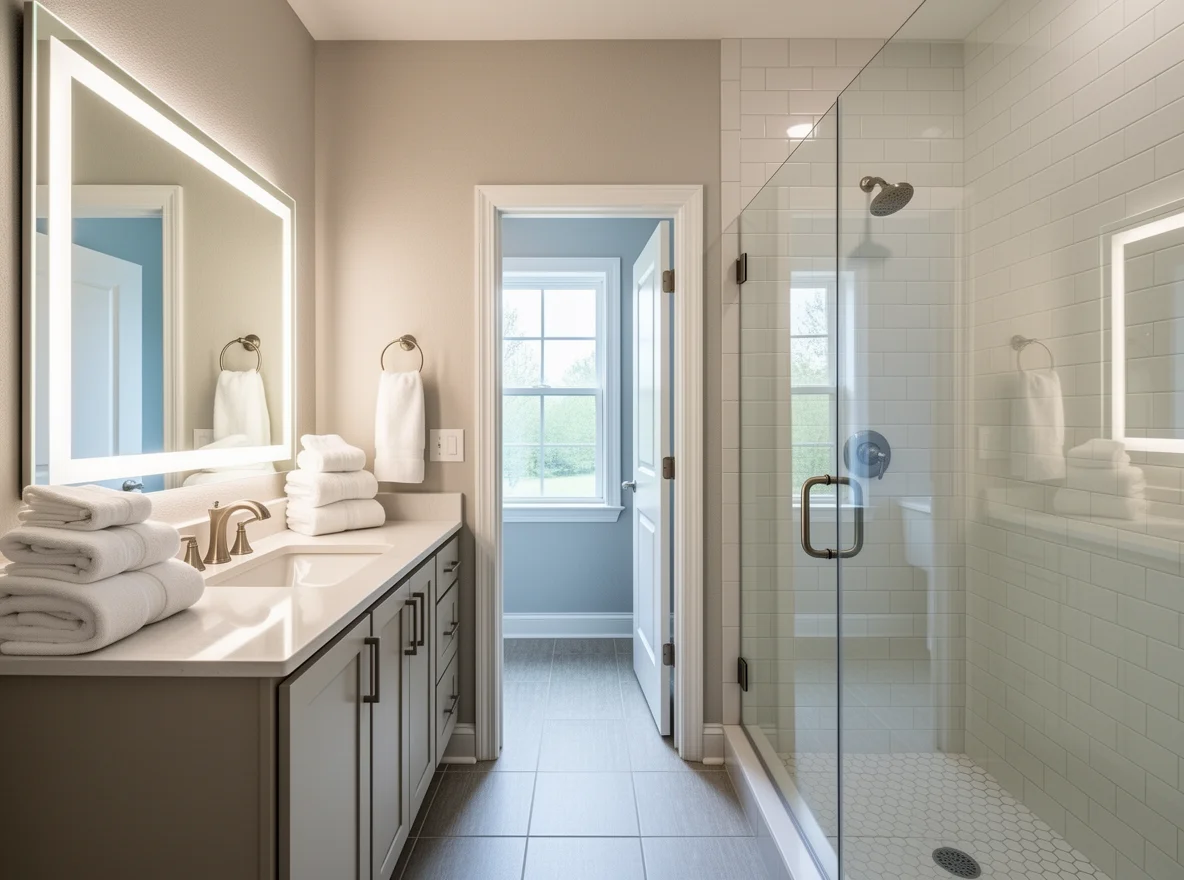
Buyers equate bathroom condition with overall home care. Re-caulk tubs and showers if you see cracking or mildew. Replace worn shower curtains, and use matching towels in a light, neutral tone. Clean grout, polish mirrors, and address any slow fans or humidity issues. If your vanity lighting is dim or dated, a simple fixture swap (done safely and correctly) can change the entire feel of the room. Also, make sure toilets sit firmly and don't run—those small signals can spook buyers during showings.
Bedrooms: calm, neutral, and spacious. In primary and secondary bedrooms, prioritize clear floor space and a restful vibe. Pack away off-season clothes to make closets look larger, and organize shelves so they appear "complete" without looking stuffed. Use bedding that reads clean and cohesive, and remove excess personal photos. If a room is currently an office or workout space, add one visual cue that it can still function as a bedroom (a bed frame, a daybed, or a staged layout that implies sleeping space).
Laundry, mudroom, and storage: the quiet decision-makers. These areas rarely sell the dream, but they often confirm the decision. Clean the washer/dryer area, wipe down shelves, and put detergents into one basket to reduce clutter. In garages and sheds, create clear zones: lawn tools together, seasonal décor in bins, and a visible path to the water heater or panel. Buyers appreciate a home that feels easy to maintain.
A quick pre-listing checklist you can run in one weekend
- Repair: leaks, sticky doors, loose handles, cracked switch plates, wobbly toilets, missing trim.
- Refresh: neutral touch-up paint, new bulbs, fresh caulk, updated cabinet hardware where it helps most.
- Reduce: countertop items, oversized furniture, extra rugs, personal photos, packed closets.
- Reset: scents (no heavy candles), HVAC filter, open blinds, consistent lighting throughout.
- Ready for photos: make beds, clear nightstands, hide cords, tidy trash bins, straighten outdoor furniture.
Local strategy matters, too. In Central Kentucky, buyers often care about practical comfort—solid mechanicals, clean presentation, and spaces that work for everyday life. If you're unsure what to prioritize, Oak & Acre Real Estate can help you triage the list based on what actually moves the needle in your neighborhood. A locally grounded plan can prevent over-improving while still ensuring your home stands out online and in person.
When you prep room by room with intention, you're not just creating prettier photos—you're reducing inspection surprises, strengthening buyer confidence, and making it easier for someone to say "yes" at the price you want. The payoff shows up in smoother negotiations, fewer concessions, and a closing that feels like a win instead of a scramble.